
Voting early as a Swedish citizen living abroad
Published: 9 September 2026
If you’ve emigrated from Sweden, you can vote early in the elections to the Riksdag (Swedish parliament) between 26 August and 13 September, which is election day. Here’s a step-by-step guide to voting early.
Early voting period in Sweden
You can vote early in Sweden between 26 August and 13 September 2026. As a Swedish citizen living abroad, you can vote in the elections to the Riksdag.
Here’s where you can vote early
You can vote early at any early voting location in Sweden.
Early voting locations in Sweden (in Swedish)
Here’s what you need to bring with you
You need to bring ID such as your ID card, driving licence or passport. If you do not have any ID, another person who has ID can confirm your identity.
Voting requirements for Swedish citizens living abroad
As a Swedish citizen living abroad, you can vote in the elections if you:
- are a Swedish citizen and have been listed in the Swedish Population Register at some point
- have emigrated from Sweden.
You’re not considered to be a Swedish citizen living abroad if you’re:
- studying, travelling, or on an assignment for work, but are still registered as living in Sweden.
Here’s a step-by-step guide to how to vote early in Sweden in the elections to the Riksdag as a Swedish citizen living abroad
When you’re at the voting location, follow these steps in order.
Choose your ballot paper alone
Ballot papers are displayed on a rack in a screened-off area at the voting location.
Take a yellow ballot paper for the elections to the Riksdag.
If you cannot find a ballot paper for the party for which you want to vote, select a blank yellow ballot paper. Write the name of the party on the blank ballot paper. If you want to vote for a specific candidate, you can write their name too.
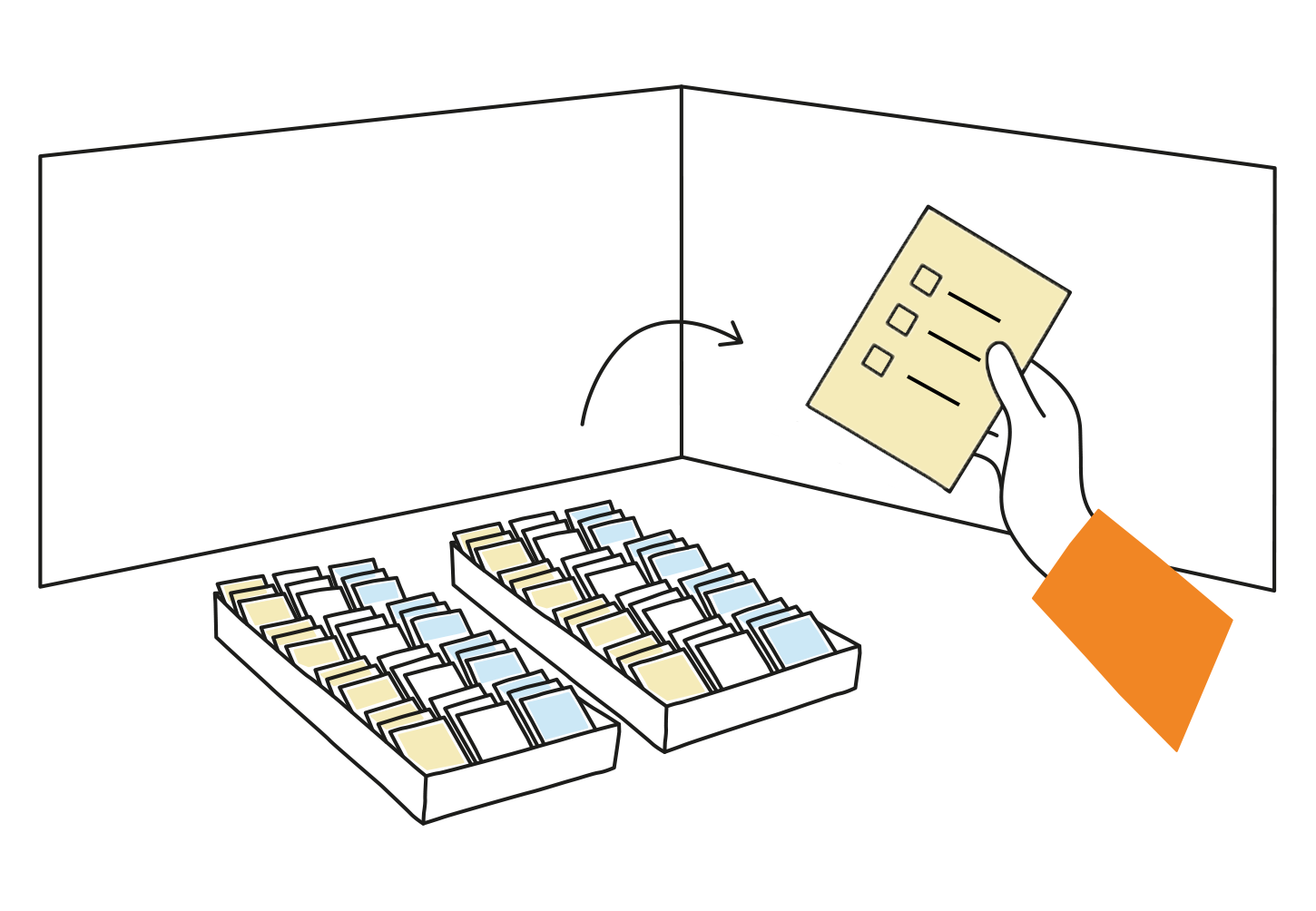
Take a ballot envelope
When you’ve selected your ballot paper, a member of the polling staff will give you a ballot envelope. Alternatively, there will be envelopes on display, so you can take one yourself.
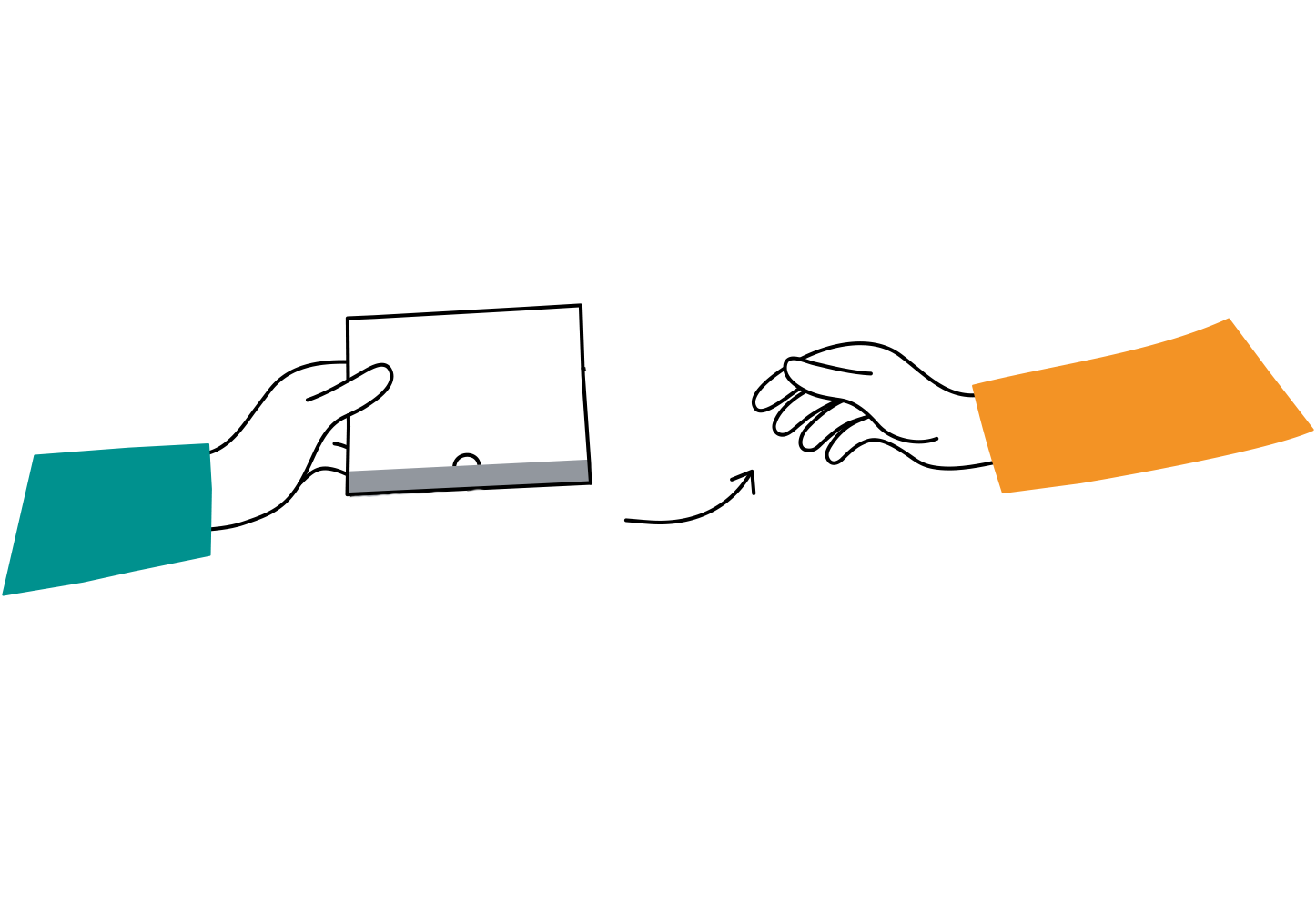
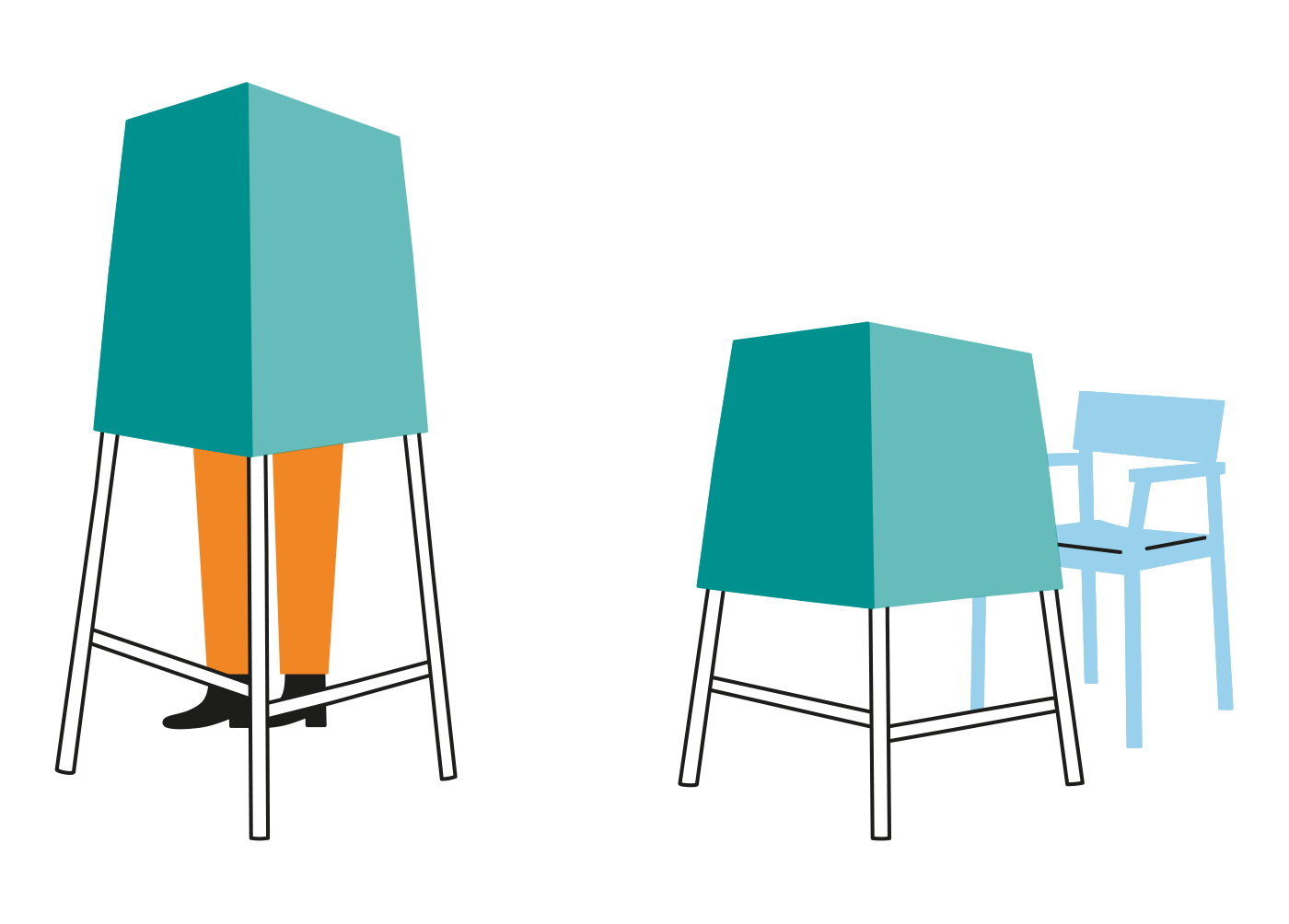
Go to an empty voting booth alone
You must be alone when you prepare your votes so that nobody can see or influence how you vote.
If you need assistance, a member of the polling staff can go to the voting booth with you. Polling staff have a duty of secrecy and are not allowed to tell anyone how you have voted. This is to maintain your voter secrecy.
You can bring someone else with you to the voting booth if you need assistance, but a polling staff member must also be present.
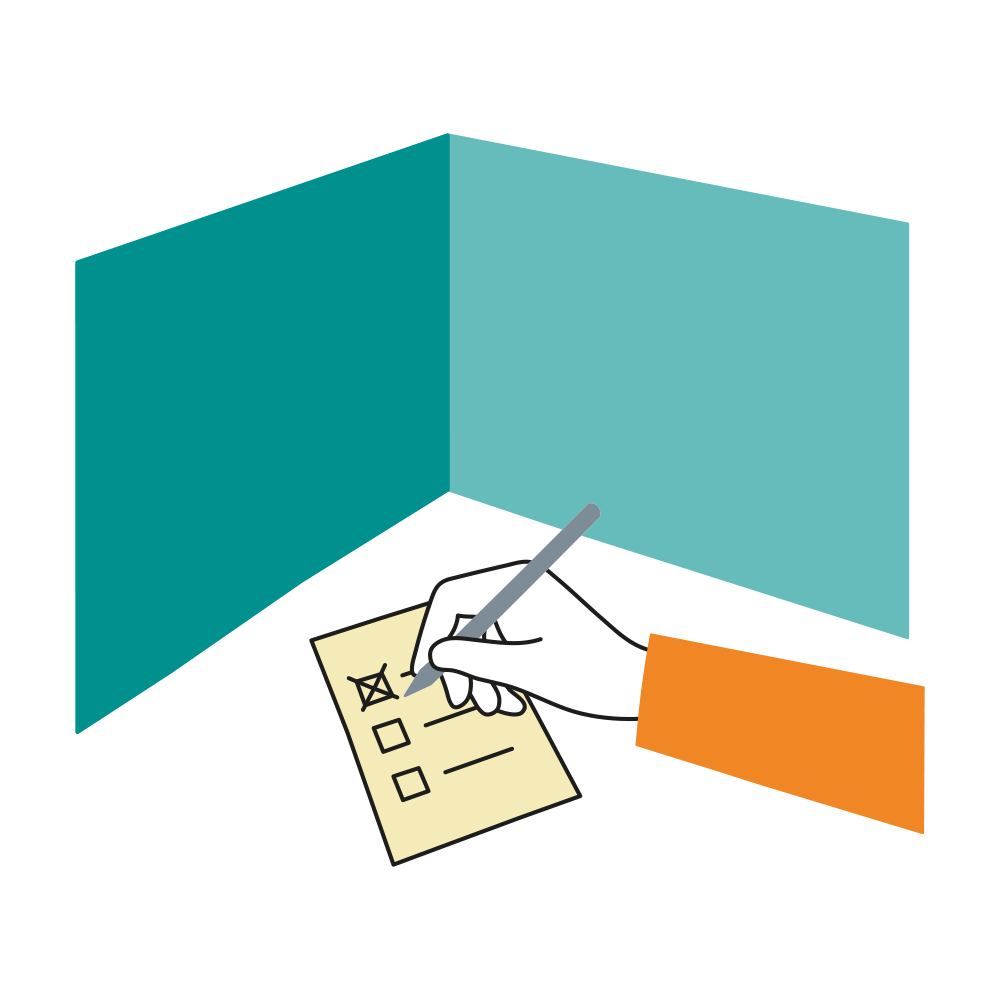
Prepare your vote
You prepare your vote at the voting booth.
Voting for a specific candidate as well as a party
If you want to vote for a specific candidate, you can choose one of the following options:
- Put an “x” in the box by the name of that candidate.
- Write that candidate’s name on a ballot paper on which only the name of a party is printed.
- Write the names of a party and a candidate on a blank ballot paper.
You can only vote for one candidate.
If you only want to vote for a party, choose one of the following options:
- Don’t put an “x” in a box by the name of a candidate on the ballot paper.
- Use a ballot paper on which only the name of a party is printed.
- Only write the name of a party on a blank ballot paper.
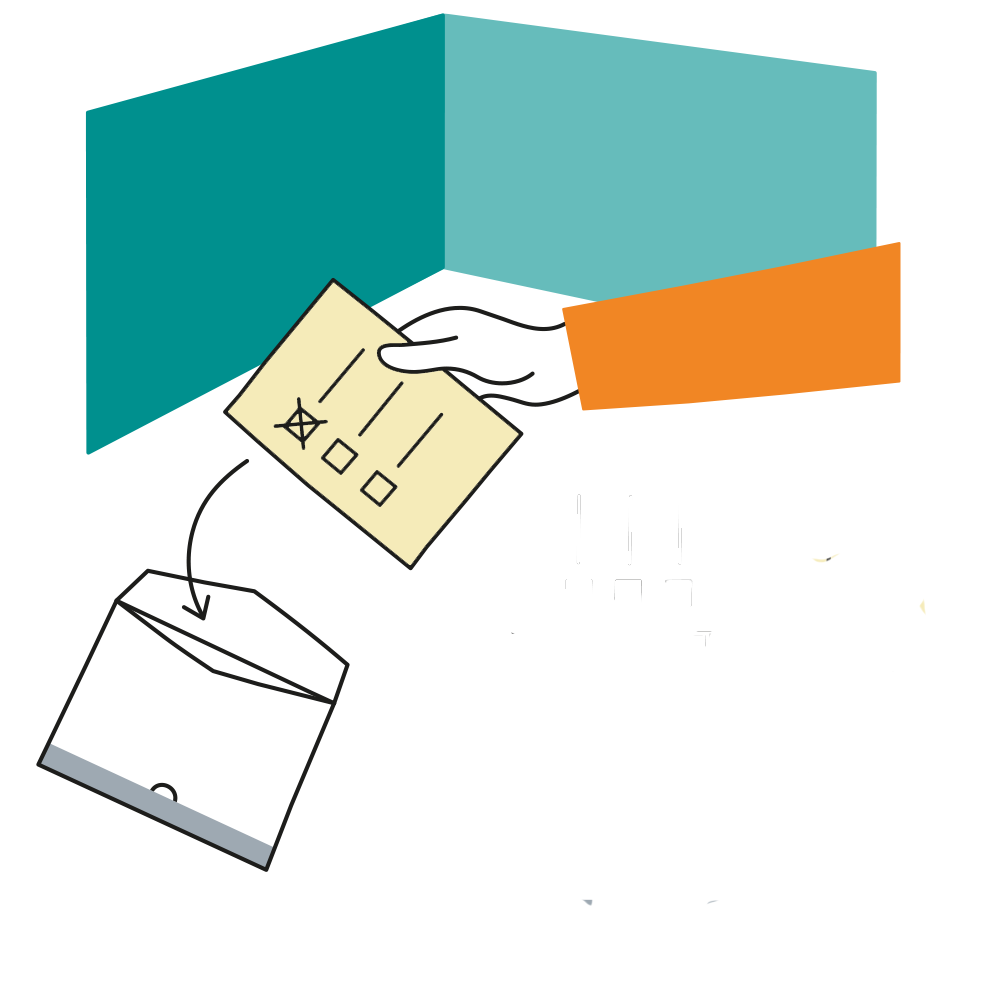
Put your ballot paper in the envelope
Put your ballot paper in the ballot envelope. Do this carefully, ensuring that there is only one ballot paper inside.
Close the envelope by tucking the flap down or sealing it.
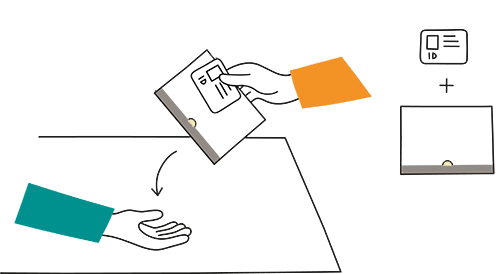
Give the ballot envelope and your ID to a polling staff member
Give your closed ballot envelope to a member of the polling staff, and show them your ID.
There are various ways to prove your identity:
- you can show your ID (ID card, driving licence, passport)
- a polling staff member who knows you can confirm your identity
- someone else who is at least 18 years old can confirm your identity (they must show their ID)
A member of the polling staff takes your ballot envelope, checks it, and verifies your identity.
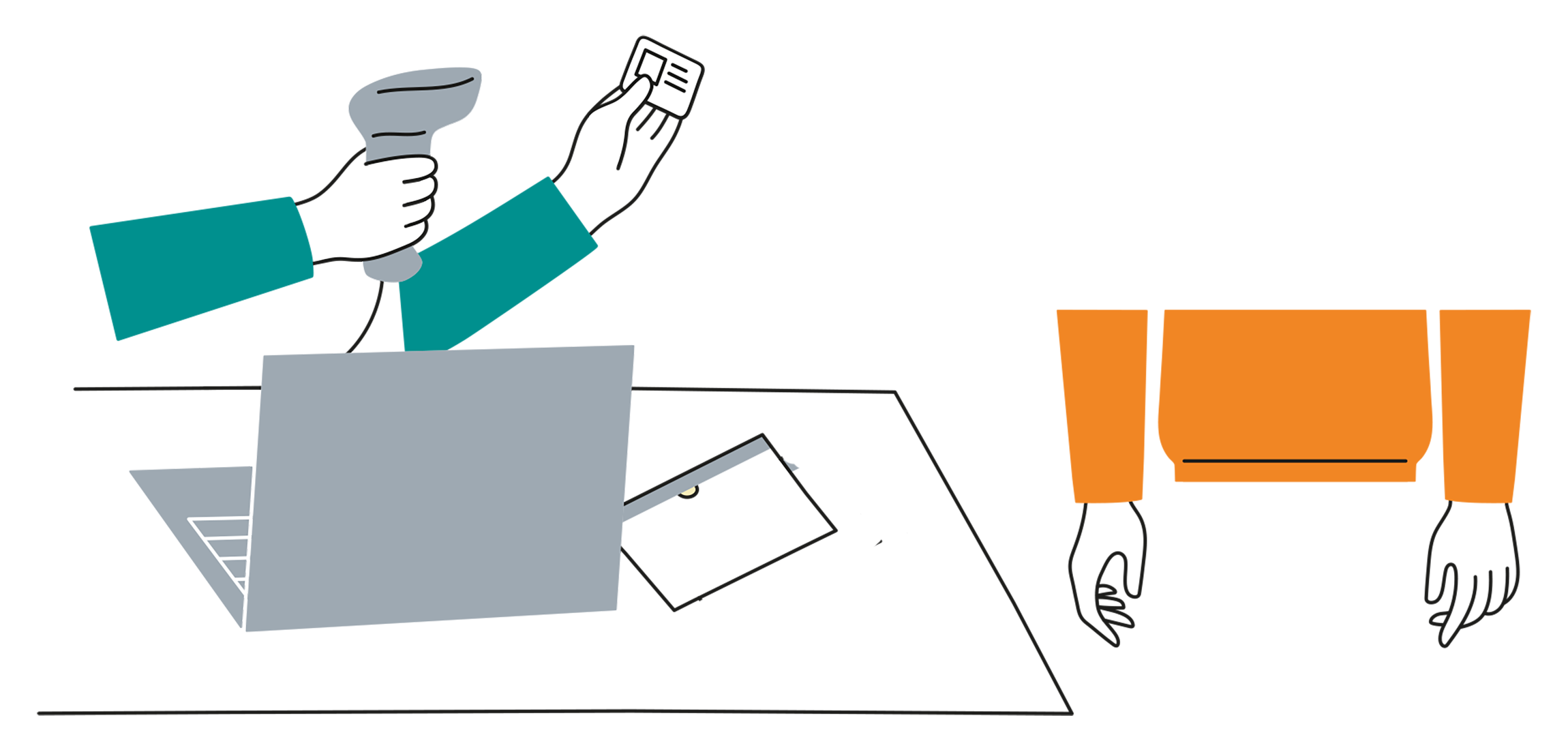
The polling staff member searches for your name on the digital voter list
Polling staff always work in pairs. The other polling staff member scans your ID or enters your personal identity number in order to find your electoral roll number.
For various reasons, for example due to technical issues or if you are a Swedish citizen living abroad and are no longer on the electoral register, a polling staff member may need to receive your vote outside the digital voter list.
In that case, the polling staff member will record your details by hand on a paper voter list.
The authority will then link your vote to the digital voter list so that it is sorted together with the other early votes.
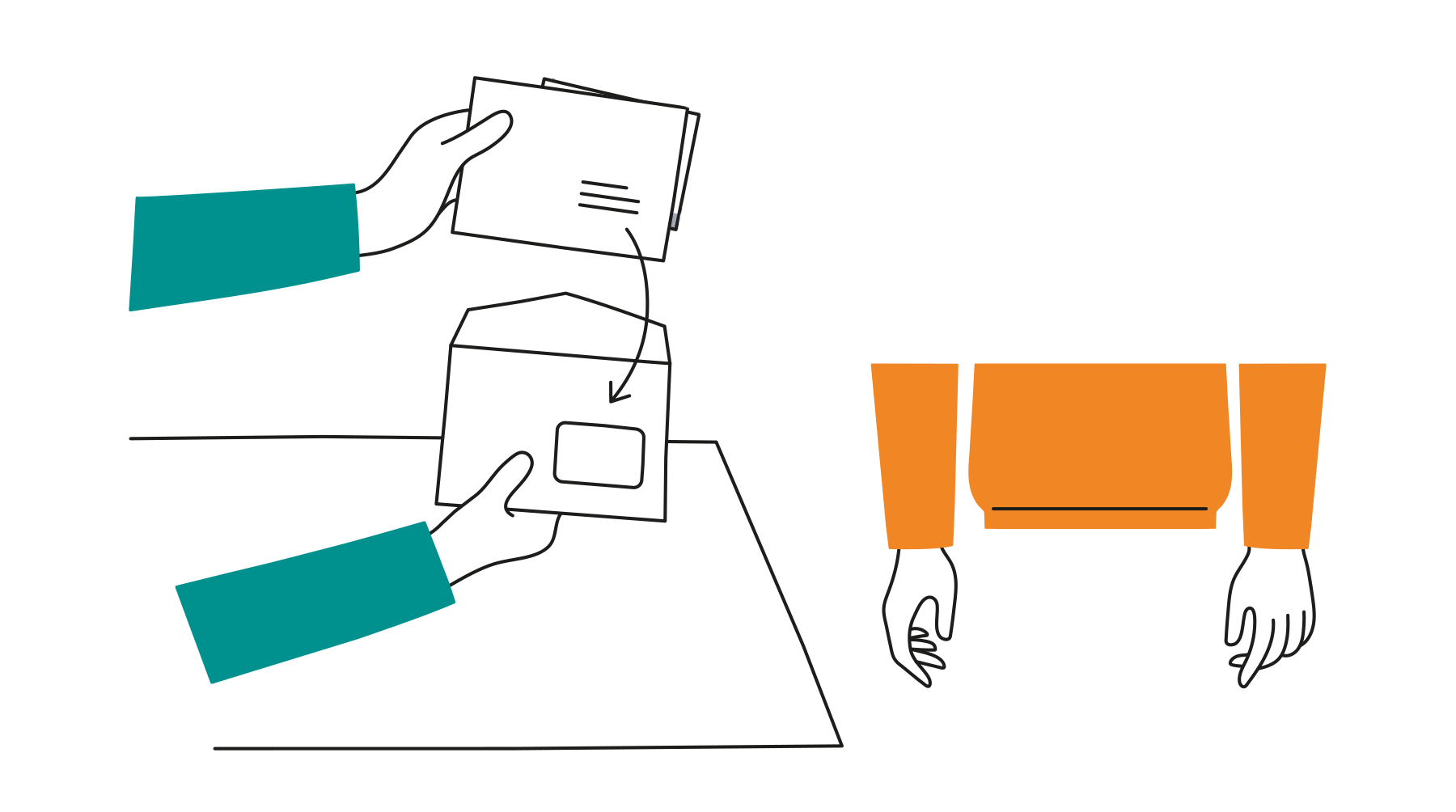
The polling staff member puts the ballot envelope in a window envelope
The polling staff member puts your ballot envelope in a window envelope and seals it. There is a code on the window envelope. The polling staff member scans the code and links it to the address of your assigned voting location.
Now you have voted early
The window envelope is placed in a preliminary ballot box and your vote is then sent to the relevant voting location.
The polling staff at the voting location make a note on the electoral roll that you have voted. After the voting location has closed, your ballot envelope is placed in the ballot box with the other votes. This ensures that no one can see how you voted.
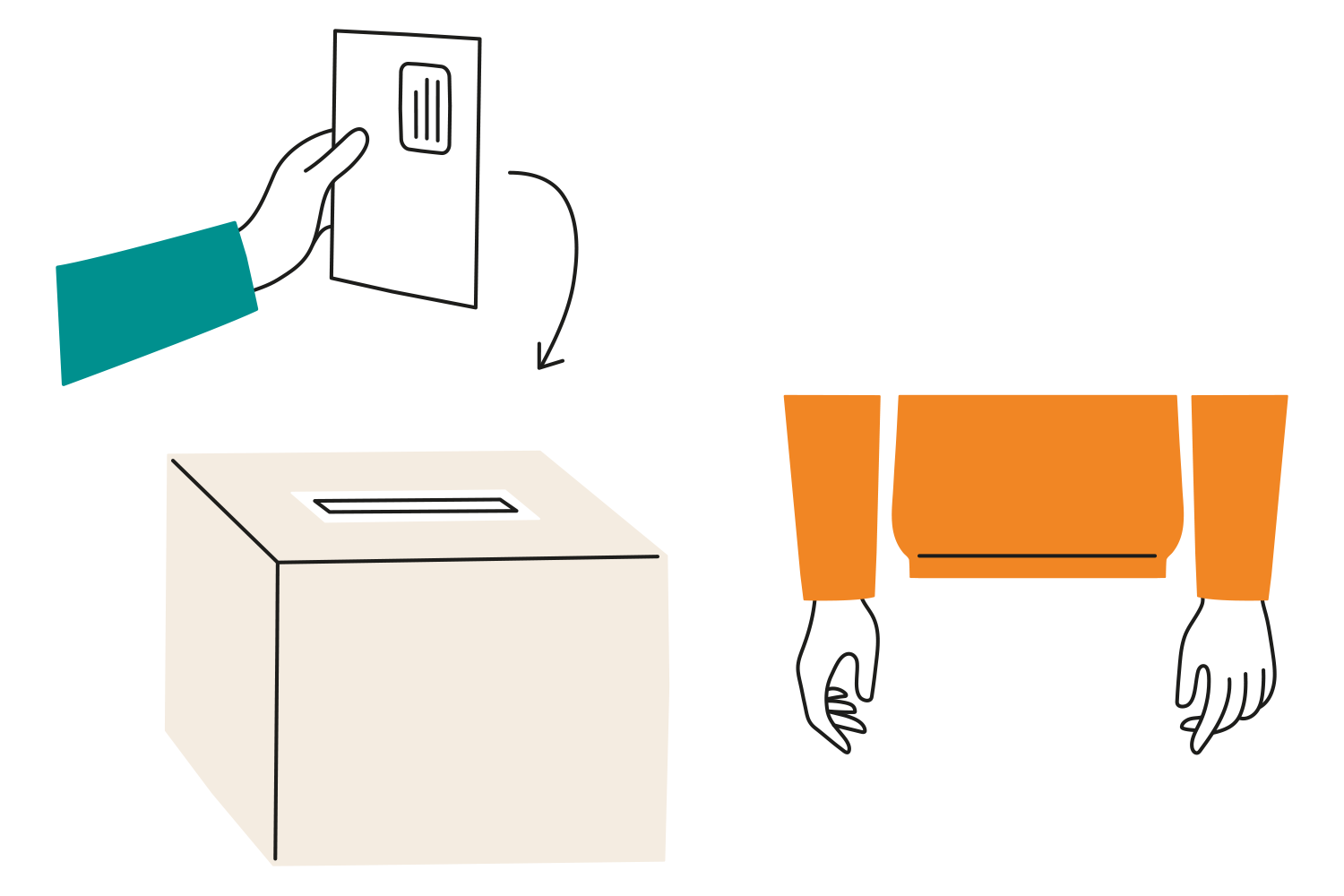
Assistance with voting
You can be assisted in various ways when voting:
- Assistance will be available to you if you need it, both outside and inside the voting location.
- If it’s difficult for you to get to a voting location – for example, due to disability, illness or old age – you can get help with voting where you’re situated. The same applies if you’ve been admitted to hospital, a pretrial detention centre or a correctional institution.
Find out more about the various options available under “Assistance with voting” on this website.
Are you no longer on the electoral roll?
You can now register again by voting early in Sweden. This change has been introduced for the 2026 elections. Early voting will be open until election day.
When you vote early, your vote counts as a request to be added to the electoral roll for these elections, and for other Swedish elections over the next 10 years.
In order to receive your international voting card and postal voting materials automatically before future elections, you can submit registration form SKV 7842, “New address/electoral roll for emigrants” (“Ny adress/röstlängd för utvandrad”), which is available on the Swedish Tax Agency’s website.
Your address will then be updated in the Swedish Population Register.
Other ways to get on the electoral roll
You can also get on the electoral roll in one of the following ways:
- You can vote abroad, either by post or at a Swedish embassy or consulate. You will then be added to the electoral roll. Your vote will be counted in the elections to the Riksdag, if it reaches the Swedish Election Authority no later than the day before election day.
Voting from abroad
- Register your new address, and register to vote for the next 10-year period, regardless of whether or not the previous 10-year period has ended. You do this by filling in registration form SKV 7842, “New address/electoral roll for emigrants” (“Ny adress/röstlängd för utvandrad”). This form must be received by the Swedish Tax Agency no later than 30 days before election day. That’s 14 August at the latest for the 2026 elections to the Riksdag. Electoral roll registration form on the Swedish Tax Agency’s website
Electoral roll registration form (Swedish Tax Agency)
If you’re still on the electoral roll
If you’re still on the electoral roll, you can only register to vote for a new 10-year period by:
- filling in registration form SKV 7842, “New address/electoral roll for emigrants” (“Ny adress/röstlängd för utvandrad”), which is available on the Swedish Tax Agency’s website.
Electoral roll registration form (Swedish Tax Agency)
If you vote in elections while you’re still on the electoral roll (i.e., your current 10-year voter eligibility period has already started), your vote will be counted in those elections. However, it will not count as a registration to vote for a new 10-year voter eligibility period. In other words, you will be removed from the electoral roll when the current 10-year voter eligibility period ends, regardless of whether or not you vote in elections during this period.